
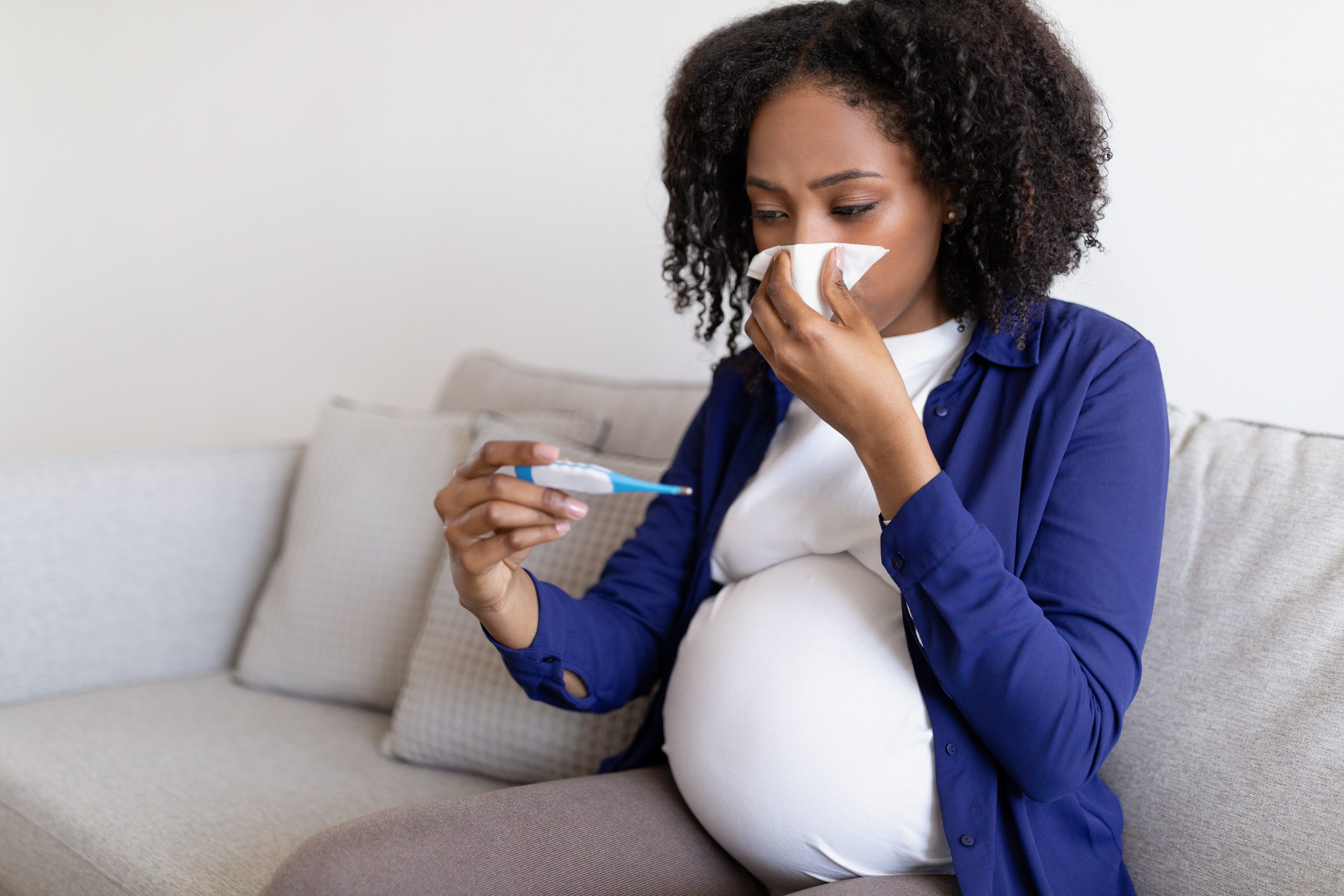
Can You Take Emergen-C While Pregnant?
Can you take Emergen-C while pregnant? Short answer: for most healthy pregnancies, an occasional Emergen-C, or any other vitamin powder, is probably fine — but it’s usually not needed, and it’s worth getting your provider’s OK first.
So, can pregnant women take Emergen-C? Here’s what the guidelines say:
- One packet per day, not handfuls
- Short-term use (a few days, not months)
- Only with your provider’s approval, especially if you have other health conditions
There’s no strong evidence that a regular dose of Emergen-C causes miscarriage, congenital disabilities, or major pregnancy complications. More importantly, there isn’t any evidence that Vitamin C supplementation has pregnancy-specific benefits, so it’s not necessarily something every pregnant person needs.
Let’s walk through the details, then discuss safer, gentler immune-boosting options during pregnancy. Note: This isn’t medical advice and doesn’t replace talking with your OB/GYN, midwife or primary care provider.
What is Emergen-C?
Emergen-C is a powdered drink mix that you dissolve in water. Most Emergen-C packets are marketed as “immune support” or “energy” boosts. A typical packet contains:
- 1,000 mg of vitamin C
- Several B vitamins (like B6, B12, folate)
- Small amounts of minerals, such as zinc
- Sometimes vitamin D, electrolytes, or added ingredients like elderberry, probiotics, or melatonin, depending on the formula
People usually take it at the first sign of a cold, before travel, or when they feel run-down. It’s part of a broader trend of immune-boosting supplements, many of which are high-dose vitamin C mixes or vitamin C & B complex blends.
The big question for pregnancy is: does that 1,000 mg of vitamin C (plus everything else in the packet) fit safely into what you and your baby need?
Do You Need Vitamin C During Pregnancy?
Since vitamin C is the primary ingredient in Emergen-C, let’s look at this vital nutrient. Vitamin C helps with collagen formation (think skin, blood vessels, and connective tissue), supports your immune system, and improves iron absorption. One study found that almost 80% of pregnant women are iron-deficient by their third trimester, so adding vitamin C can help avoid anemia.
Most guidelines land here:
- Recommended Daily Allowance (RDA) for pregnant adults ≥19 years: 85 mg/day
- Upper Limit (UL): 2,000 mg/day – the level above which side effects become more likely
Many prenatal supplements contain 70–120 mg of vitamin C. Add in an orange, some strawberries, and a bell pepper, and you’ve already met or exceeded your daily target without trying.
To put that into perspective, one Emergen-C packet gives you 1,000 mg in one go — more than 10 times the RDA, but still below the 2,000 mg UL.
That’s why you’ll see warnings like: “Vitamin C supplements like Emergen-C are probably fine for occasional use, but there’s not much evidence proving their safety or usefulness when it comes to fighting illness during pregnancy.”
Do Emergen-C and Vitamin C Really Boost Your Immune System?
Vitamin C helps your immune cells function properly and protects them from oxidative stress.
But when it comes to colds and flu, the research is consistent. There’s some evidence that regular vitamin C supplementation can reduce the duration and severity of colds in some people. However, taking it when you’re already sick won’t make that much of a difference.
In other words: vitamin C is necessary and helpful, but Emergen-C is not a miracle shield. If you’re already getting enough vitamin C while pregnant from food and a prenatal, adding more isn’t guaranteed to “boost” immunity further.
Possible Risks of Excess Vitamin C
Vitamin C is water-soluble, so your body will pee out what it doesn’t use. That doesn’t mean unlimited amounts are harmless, though.
At high doses, vitamin C can cause:
- Nausea, stomach cramps, diarrhea
- Heartburn or reflux
- Headaches
- Increased risk of kidney stones in people who are prone to them
Vitamin C also increases iron absorption. Usually, that’s a good thing in pregnancy. But if you have certain iron-storage conditions, like hemochromatosis or other rare iron disorders, mega-dosing vitamin C can be a problem.
What About Emergen-C Immune+, Elderberry Formulas, and “extra” B Vitamins?
Emergen-C doesn’t come in just one formula anymore. They have several varieties, including zing, probiotics, elderberry, and even an “energy” mix with caffeine. Each added ingredient changes the safety profile, and they may not be as helpful as you think.
Vitamin C & B complex
Many vitamin C & B complex products look suspiciously like Emergen-C in a different package: a hefty dose of vitamin C with high levels of several B vitamins. B vitamins are essential in pregnancy (folate, B6, B12, etc.), but they’re already built into your prenatal.
So adding these can push some B vitamins (especially B6) higher than you actually need. Very high B6 over long periods has been associated with nerve issues in non-pregnant adults, so it’s not something to pile on without reason.
Is elderberry safe during pregnancy?
Elderberry has become one of the most popular natural cold remedies, especially in the form of cough syrup or gummies. But for pregnancy specifically, the jury is still out on how helpful it is.
There simply isn’t enough scientific evidence to confirm that elderberry supplements are pregnancy-safe.
To complicate things, parts of the elderberry plant (especially raw or unripe berries, leaves, and stems) contain compounds that can release cyanide and cause vomiting, diarrhea, and other symptoms if eaten uncooked. Commercial syrups are usually processed to avoid this, but it’s another reason to practice caution.
The Food First Approach to Getting Vitamins A and C Benefits
While not necessarily the most critical nutrients pregnant women need, vitamins A and C both have benefits for pregnant women:
- Vitamin C is an antioxidant that helps protect cells, supports collagen production, and boosts iron absorption.
- Vitamin A is key for the health of your skin and mucous membranes (like the lining of your nose and throat), which are the body’s first physical barrier against germs. It also plays a role in normal immune system function.
You should take precautions to avoid vitamin A toxicity. The World Health Organization (WHO) recommends a daily intake of 10,000 IU (equivalent to 3,000 mcg) as the upper limit.
If you like the idea of supporting your immune system naturally in pregnancy, focus on a colorful diet rich in lots of fruits and veggies.
Food Sources of Vitamin A
The highest concentrations of vitamin A are found in animal products such as liver, eggs, and dairy products. If you are vegetarian or vegan and need plant-based sources, look at carrots, sweet potatoes, spinach, and other orange and leafy green vegetables.
Food Sources of Vitamin C
For vitamin C, citrus fruits are rich in vitamin C and a great, gentle choice:
- Oranges and tangerines
- Grapefruit (if your provider says it’s okay with any meds you take)
- Lemons and limes in water or tea
Additionally, strawberries, kiwi, bell peppers and broccoli are all rich in vitamin C. A glass of orange juice and a serving of bell peppers can easily cover your entire daily vitamin C needs — no packets required.
Natural Cold Remedies That are Pregnancy-Friendly
When you’re stuffy, exhausted, and pregnant, you want relief yesterday. While there are many pregnancy-safe cold remedies, many providers commonly suggest starting with simple, non-drug, natural cold remedies:
- Rest: Your immune system really does work better when you’re not running on fumes.
- Fluids: Water, broth, and pregnancy-safe herbal teas help thin mucus and keep you hydrated.
- Warm salt-water gargles for a sore throat.
- Saline nasal spray or rinses to ease congestion.
- Use a humidifier in your bedroom to keep the air moist and reduce nasal irritation.
- Honey and lemon in warm water for cough and sore throat (honey is fine for you, just never for babies under 1 year).
Some supplements, like probiotics or vitamin D, may also support immune health, but even those should be cleared with your provider during pregnancy. If your cold lasts longer than a few days or you have a fever, go and see your doctor, as it could be something more serious.
FAQ
Is Emergen-C safe during pregnancy?
For most healthy pregnant adults, an occasional Emergen-C taken as directed is probably safe, but should not be an everyday occurrence. Always ask your provider first.
Can I take Emergen-C with my prenatal vitamin?
Usually, yes, that’s fine, but it shouldn’t be a regular occurrence, as you run the risk of taking too much vitamin C or B6. Check your prenatal to ensure you don’t exceed the 2,000 mg vitamin C UL.
Can Emergen-C cause miscarriage?
There’s no evidence that occasional use within recommended limits causes miscarriage.
Is elderberry safe during pregnancy?
There isn’t enough research to guarantee that elderberry supplements are safe during pregnancy, so most experts recommend avoiding elderberry syrups, capsules, or gummies unless you get the OK from your doctor.
What’s a good way to support my immune system without Emergen-C?
Aim for enough sleep, plenty of fluids, gentle movement, stress management, and a colorful diet full of fruits and vegetables. Remember: citrus fruits are rich in vitamin C, and so are berries, peppers, and leafy greens — they can give you all the vitamin C while pregnant that you need, with fiber and other nutrients built in.
The Bottom Line
If you’re pregnant, sick, exhausted, and reaching for a vitamin supplement like Emergen-C, it’s not necessarily a bad thing. It is safe in moderation and with your provider’s blessing—but you likely don’t need it, and it’s not the magic fix it’s marketed as.
Your prenatal vitamin, a nutrient-dense diet, rest, and gentle, pregnancy-safe natural cold remedies do more of the heavy lifting than one fizzy drink ever could. When in doubt, request an appointment with your Genesis provider so we can help you get the care you need.


